
Freedoms sex doll can help you close the Women
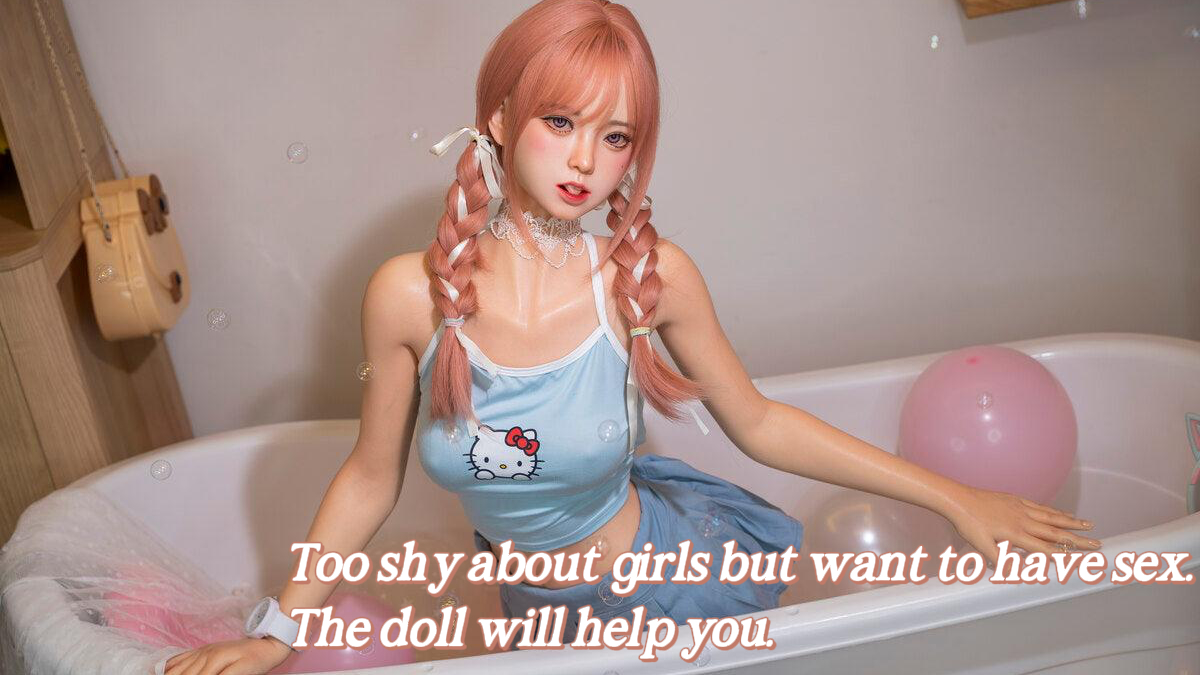
Introduction: The Emotional Dilemma of Contemporary Men
In modern society, more and more men find themselves in a contradictory psychological state: on the one hand, they crave intimate relationships and sexual satisfaction, while on the other hand, they feel extreme anxiety and fear about interacting with real women. This psychological phenomenon known as “misogyny” is quietly affecting the quality of life of many men. Female phobia is not simply shyness or introversion, but a deeper psychological disorder characterized by irrational fear, excessive tension, and even physical discomfort when interacting with women. For these men, the emergence of sex dolls provides a solution that satisfies their physiological needs without facing interpersonal anxiety.
YQ-EU-0024-135/148/158 – Freedomsdoll
The psychological mechanism and manifestations of misogyny
Gynophobia is a specific phobia that refers to irrational and excessive fear of women or things related to women. The formation of such psychological disorders is often related to multiple factors:
1.Childhood traumatic experiences: Early negative interactions with women (usually mothers or other important female caregivers) may sow seeds of fear. Experiences such as excessive control, emotional neglect, or abuse can lead men to develop defensive fears towards women in adulthood.
2.Accumulation of social setbacks: Repeated experiences of being rejected, ridiculed, or humiliated by women during adolescence or early adulthood can reinforce the misconception that “women are a source of danger”.
3.Social gender role pressure: Traditional culture’s stereotypical expectations of masculinity (such as being proactive, confident, and successful) lead some men who do not meet these standards to doubt themselves and avoid contact with women.
YQ-EU-0026-1-135/148/158/160/163 – Freedomsdoll
4.Inferiority and physical anxiety: Discontent with one’s appearance, body shape, or sexual abilities leads to a fear of “exposing” one’s “flaws” in front of women.
The manifestations of misogyny are diverse, ranging from mild social avoidance to severe panic attacks. Common symptoms include: rapid heartbeat, sweating, and trembling when talking to women; Afraid of eye contact with women; Excessive worry about saying or doing the wrong thing; Even completely avoid social situations that may involve contact with women. These symptoms not only affect marital relationships, but may also affect normal interactions in the workplace and daily life.
It is worth noting that patients with misogyny usually have a clear understanding of their condition, realizing that this fear is unreasonable, but it is difficult to overcome through willpower. The contradiction of “knowing one should not be afraid but unable to control it” further exacerbates psychological pain.
The contradiction between physiological needs and psychological disorders
Human sexual needs, like hunger and thirst, are a fundamental physiological driving force. Maslow’s hierarchy of needs theory categorizes sex as the most fundamental physiological need, and modern sexology research has also confirmed that regular and healthy sexual activity is crucial for physical and mental balance. However, for patients with misogyny, meeting this basic need faces significant psychological barriers.
The impact of this contradiction is multifaceted:
Psychological level: Long term suppression may lead to increased depression, anxiety, and a sustained decrease in self-worth. Patients may fall into a self label of ‘incompetence’, believing themselves to be an ‘incomplete man’, which in turn reinforces their fear of women.
Physiological level: Long term lack of sexual release may lead to problems such as irritability, insomnia, and lack of concentration. Some patients may turn to excessive masturbation to relieve stress, but this often comes with a sense of shame and does not provide true emotional satisfaction.
At the social level, in order to avoid contact with women, patients may gradually reduce their living radius, withdraw from social activities, and affect their career development and interpersonal relationships. Some people may develop a hostile attitude towards women as a psychological defense mechanism, further deteriorating the relationship between the sexes.
YQ-EU-0026-2-135/148/158/160/163 – Freedomsdoll
Traditional solutions such as prostitution or one night stands are often not suitable for patients with misogyny – these methods require direct interaction with unfamiliar women, which may trigger stronger anxiety. However, long-term abstinence goes against human instincts, which is why sex dolls are increasingly being considered as a compromise solution.
Sex dolls: Technology solves emotional dilemmas
Modern sex dolls are no longer just simple inflatable toys, but high-tech products that integrate material science, ergonomics, and artificial intelligence. High end silicone dolls have skin texture, body temperature simulation, and even respiratory rhythm that are extremely similar to real people. Some models can also have simple conversations and facial expressions. This highly realistic approach provides unique value for patients with misogyny:
1.Zero stress environment: Interacting with dolls will not encounter evaluation, rejection, or ridicule, and patients can fully explore the experience at their own pace and preferences without worrying about “poor performance”. This sense of security is difficult to obtain through interaction with people.
2.Restoration of Sense of Control: One of the core aspects of misogyny is a lack of control – the fear of being unable to predict or control interactions with women. And the doll is completely controlled by the user, which helps to gradually rebuild sexual confidence.
3.Progressive exposure therapy: For those who hope to ultimately overcome misogyny, dolls can serve as a transitional tool. By practicing intimate interactions in a safe environment, preparing for future real relationships, there is less trauma than directly “jumping into the abyss” of exposure.
4.Emotional substitution: The companionship functions of advanced dolls, such as listening and simple responses, can alleviate feelings of loneliness. Although it cannot replace human emotional connection, it is a huge progress compared to complete isolation.
The phenomenon of “doll companions” in Japan shows that some men have established a transcendent emotional connection with their dolls, dressing them up and celebrating their birthdays. Although this relationship is unconventional, it does meet the psychological needs of some people.
Ethical Discussion and Social Acceptance
The popularity of sex dolls has also sparked a series of ethical controversies. Critics argue that long-term dependence on dolls may further weaken patients’ interpersonal skills and lead to deeper social isolation. Some feminists worry that objectifying women as sexual tools will reinforce gender discrimination. In addition, whether excessive dependence on non-human partners can lead to emotional decline is also a concern in the field of psychology.
However, supporters point out that:
-For patients with severe misogyny, dolls are not the first choice but the “least bad” option – compared to complete abstinence or developing antisocial tendencies, this is a harmless way of release.
-Using dolls does not mean giving up treatment or avoiding real relationships forever. For many people, this is a stage in the rehabilitation process.
-Modern psychotherapy emphasizes “functional adaptation” – if a certain method can significantly improve the patient’s quality of life without harming others, it has a certain degree of rationality.
Social acceptance is slowly changing. With the increasing awareness of mental health issues, more and more people understand that misogyny is a real pain rather than a simple “personality defect”. The discussion of sex dolls has gradually shifted from the topic of pornography to the category of auxiliary medical tools.
Comprehensive solution: combination of dolls and psychotherapy
Although sex dolls have benefits, they should not be seen as the only solution. The ideal approach is to include it as part of a comprehensive treatment plan:
1.Professional psychotherapy: Cognitive behavioral therapy (CBT) has a significant effect on specific phobias. Gradually change avoidance behavior by identifying and challenging erroneous thinking. Group therapy provides a safe social practice environment.
2.Medication assistance: For patients with severe anxiety or depression, short-term use of anti anxiety or anti depression drugs may be helpful, but guidance from a psychiatrist is required.
3.Social skills training: Learn basic skills for interacting with women through role-playing and other methods to reduce confusion during actual contact.
4.Transitional use of dolls: As a safe sexual release pathway in the early stages of treatment, gradually reducing dependence and shifting towards real relationships with progress.
5.Lifestyle adjustments: Regular exercise, meditation, etc. can help with overall anxiety management and improve self-image.
It is worth noting that not all introverted or shy men have misogyny. Professional intervention is only necessary when fear seriously interferes with normal life. For ordinary people who are socially anxious, gradually exposing themselves to practice is usually sufficient.
Future prospects: Technological progress and social understanding
With the development of AI and robotics technology, future sexual partners may possess more complex emotional simulation abilities and even actively adapt to the psychological needs of users. This not only brings a more authentic companionship experience, but also raises deeper ethical questions – will humans completely give up real relationships? How to find a balance between technological progress and maintaining humanity?
On the other hand, society’s attention to men’s mental health is increasing. The loosening of traditional notions of masculinity has encouraged more men to acknowledge their vulnerability and seek help. In an ideal state, a more inclusive society can reduce the occurrence of misogyny – when men no longer have to play the role of “forever strong”, interacting with women becomes easier and more natural.
Conclusion: The Right to Understand and Choose
The dilemma of women with phobias reminds us that sex is not only a physiological behavior, but also a complex psychological and social phenomenon. Before judging others’ lifestyles, it is important to understand the unique challenges each person faces. Sex dolls, as an emerging solution, provide an escape door for those trapped in their own psychological cages – although not a perfect exit to the ideal world, at least they give some light to the dark prison.
Ultimately, everyone should have the right to choose a way that suits them to meet their basic needs without harming others. For those who use dolls as transitional tools, society should provide more understanding rather than ridicule – overcoming fear requires courage, and acknowledging one’s limitations and finding ways to adapt is itself a manifestation of courage.
Please do not hesitate to contact us [email protected].